1 Soda Blasting: Effective Cleaning
Non-abrasive and eco-friendly method for removing heavy stains and dirt without damage.
- Gentle yet powerful
- Reduces harsh chemicals

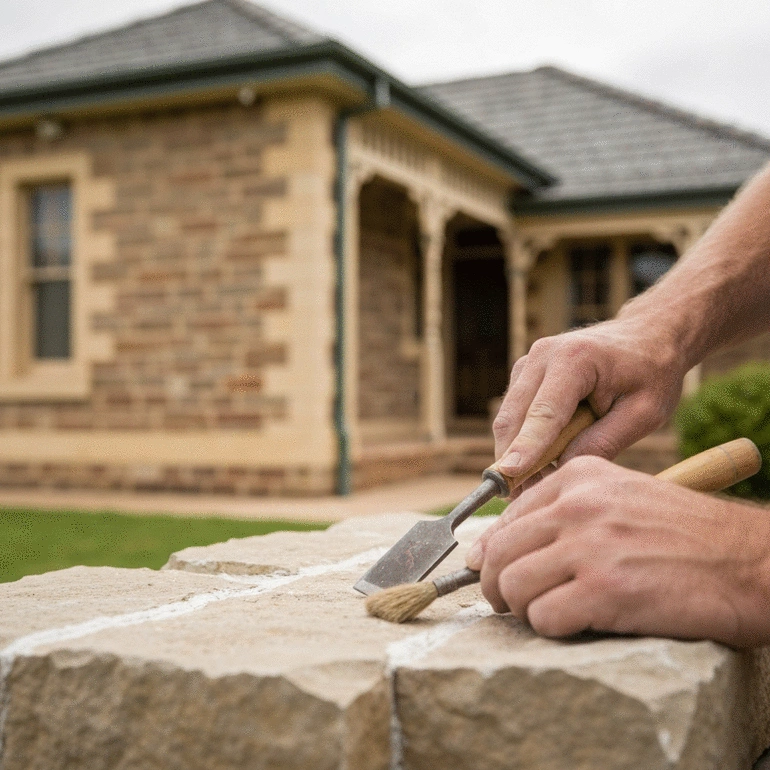
Have you ever wondered how the timeless beauty of historical buildings is preserved for future generations? Heritage stone restoration is an art that marries craftsmanship with environmental sustainability, ensuring our architectural history lives on.
Master Stone Mason employs a range of specialized techniques to ensure the integrity and beauty of heritage stone are preserved for future generations.
Non-abrasive and eco-friendly method for removing heavy stains and dirt without damage.
Combines blasting with water to minimize dust and protect softer stones during restoration.
Applies a thick paste to draw out stubborn stains and contaminants from the stone.
Brings back the original shine and smoothness of dull stone surfaces through careful treatment.
Artistic craftsmanship to maintain intricate designs and decorative elements unique to heritage stone.
Application of sealants and coatings to protect restored stone surfaces and ensure longevity.
Heritage stone restoration is not just about preserving a structure; it’s about honoring history and craftsmanship. At Master Stone Mason, we believe that understanding the importance of heritage stone restoration is vital for maintaining the cultural fabric of our communities. These techniques help ensure that the beauty of our historical buildings remains intact for future generations to admire.
So, what exactly is heritage stone restoration? It's a meticulous process that involves repairing and rejuvenating stone structures that hold historical significance. By using traditional methods alongside modern techniques, we can bring back the original charm of these stones, ensuring their durability and aesthetic appeal.
Heritage stone restoration is crucial for several reasons. First, it preserves our architectural history, allowing us to connect with our past. Second, it can increase the value of a property, making it more attractive to potential buyers. Finally, it promotes the use of sustainable practices by reusing existing materials rather than opting for new, which can be harmful to the environment.
Through careful restoration, we not only honor the original craftsmanship of our ancestors but also contribute to the sustainability of our natural resources. It’s a win-win situation for both the environment and our historical architecture! For more information on sustainable restoration techniques, you can explore academic resources such as this study on sustainable techniques in restoration.
Restoring Australian heritage stone presents unique challenges due to the diverse climates and geological conditions across the country. From coastal areas where saltwater erosion is common to arid regions that face harsh weather fluctuations, each site requires a tailored approach. The IUGS Global Heritage Stone Initiative provides valuable insights into the geological significance of various stones, which is crucial for understanding their restoration needs.
Some of the most significant challenges include:
As a seasoned stone mason, I can attest that understanding these challenges is vital for achieving successful restoration outcomes. It requires a deep respect for the original craftsmanship, as well as a commitment to using the best restoration practices available.
Heritage architecture plays a pivotal role in preserving our cultural identity. These structures tell stories of our past, showcasing the craftsmanship and styles of different eras. At Master Stone Mason, we believe that every stone tells a story, and it’s our job to ensure those stories are not lost. The preservation of such architecture is discussed in detail in publications like "Heritage building preservation: a conceptual framework" which highlights its importance.
Preserving heritage architecture is not just about the buildings themselves; it’s about maintaining the connection to our communities. When we engage in heritage stone restoration, we help foster a sense of belonging and pride in our local history.
By investing in heritage architecture preservation, we can collectively ensure that future generations appreciate and learn from the rich tapestry of our history. It’s a responsibility that I take to heart, knowing that each project contributes to the larger narrative of Australia’s heritage.
When embarking on a heritage stone restoration project, consider conducting a thorough historical research on the building. Understanding the original materials and techniques used can significantly enhance the authenticity of your restoration efforts. This knowledge allows you to make informed choices that respect the original craftsmanship while ensuring longevity and sustainability.
When it comes to heritage stone restoration, employing the right techniques is essential for achieving stunning results. Over my decade of experience in stone masonry, I've found that every project brings its own unique challenges and opportunities. That's why understanding the various restoration methods can make a huge difference in the longevity and aesthetics of the finished work!
Here are several techniques that stand out in the field of heritage stone restoration:
Utilizing these techniques not only ensures the stones are cleaned effectively but also preserves their character. Each method has specific applications, and careful consideration of the stone type and condition will guide your choices.
Soda blasting is a brilliant technique I've used for years. It involves using bicarbonate soda particles propelled at high speed to clean stone surfaces without causing damage. This method is particularly useful for removing heavy stains and accumulated dirt while leaving the stone intact. It's a gentle yet powerful cleaning solution that significantly reduces the risk of scratching or etching the surface.
If you're considering a restoration project, soda blasting should definitely be on your radar as a top cleaning option!
Wet abrasive blasting takes the principles of traditional blasting and combines them with water to minimize dust and reduce the potential for stone damage. This technique is especially beneficial in densely populated areas where dust control is crucial. By using water, we not only protect the stone but also improve the overall air quality during the restoration process.
Some benefits of wet abrasive blasting include:
Slurry-based poulticing is an excellent method for treating stains, especially those that have penetrated the stone. This technique involves applying a thick paste that draws out stains and contaminants. The beauty of this approach lies in its ability to treat specific areas without the need for extensive cleaning or restoration. I've successfully used slurry poultices on various projects where oil or organic stains were a concern. The effectiveness of traditional materials like mortars and their conservation can be further explored through resources such as this paper on historic mortar conservation.
After years of exposure to the elements, some stones may lose their original shine. Grinding and chemical polishing are reliable techniques to restore that luster. This involves careful grinding of the stone surface followed by polishing with specialized compounds. The result is a smooth, reflective surface that enhances the beauty of the stone.
Key points to remember with this method:
Hand tooling is where artistry meets craftsmanship. This technique is vital for preserving decorative elements and intricate designs during restoration. Whether it’s chiseling, shaping, or carving, hand tooling allows for precise adjustments and repairs that maintain the heritage value of the stone.
It's crucial to approach this method with an eye for detail:
Finally, applying surface treatments can significantly enhance both the durability and aesthetics of restored stone. Options such as sealants, color enhancers, and anti-graffiti coatings provide protective layers that keep the stone looking pristine. These treatments are essential for ensuring the longevity of your restoration efforts.
Heritage stone restoration is the meticulous process of repairing and rejuvenating stone structures of historical significance, combining traditional methods with modern techniques to maintain their original charm, durability, and aesthetic appeal.
It's important for several reasons: it preserves architectural history and cultural heritage, increases property value, and promotes sustainable practices by reusing existing materials.
Key challenges include ensuring material compatibility with existing stone, addressing environmental factors like moisture retention or salt degradation, and carefully preserving intricate decorative features unique to Australian heritage stone.
Common techniques include soda blasting for gentle cleaning, wet abrasive blasting for dust suppression and minimal damage, slurry-based poulticing for stain removal, grinding and chemical polishing to restore luster, hand tooling for preserving decorative features, and various surface treatments to enhance durability and aesthetics.
It strengthens community identity, encourages tourism and local investment, and provides valuable educational opportunities about architectural history, ensuring that future generations can appreciate and learn from their past.
In conclusion, understanding and implementing these key techniques in heritage stone restoration is critical for achieving lasting beauty and integrity. If you’re considering a restoration project for your heritage stone, I invite you to reach out to Master Stone Mason. We’re here to ensure your stone remains a beautiful part of Australia’s architectural heritage!
Here is a quick recap of the important points discussed in the article: