Have you ever wondered how the beauty of sandstone can fade over time? Understanding the factors that contribute to its deterioration is essential for anyone invested in maintaining these stunning natural materials.
This visual highlights the common types of sandstone deterioration and provides a cost-benefit analysis for repair versus replacement.
As a seasoned stonemason, I've seen firsthand the beauty and durability of natural sandstone. However, it's crucial to understand sandstone deterioration and how it can impact the longevity of your structure. This overview will guide you through the essentials of sandstone deterioration, helping you recognize the signs and take proactive measures to preserve these magnificent materials.
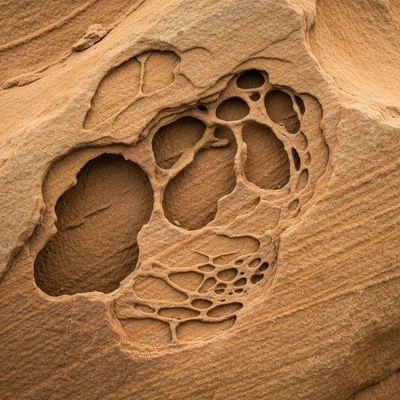
Sandstone is revered for its aesthetic appeal, but like all natural elements, it is susceptible to various forms of deterioration. Understanding these factors is essential for homeowners, builders, and caretakers of historic structures. By doing so, we can ensure the preservation of our architectural heritage for future generations!
Sandstone deterioration refers to the gradual breakdown of sandstone due to various environmental and physical factors. This deterioration not only affects the appearance of the stone but can also compromise the structural integrity of the entire building. So, why should we care? Well, maintaining sandstone structures is vital for preserving our cultural heritage and enhancing property value, often requiring specialized heritage stone restoration techniques.
Failure to address sandstone deterioration can lead to costly repairs and potential safety hazards. Understanding these issues empowers you to take action before the damage becomes severe, ensuring your investment remains protected.
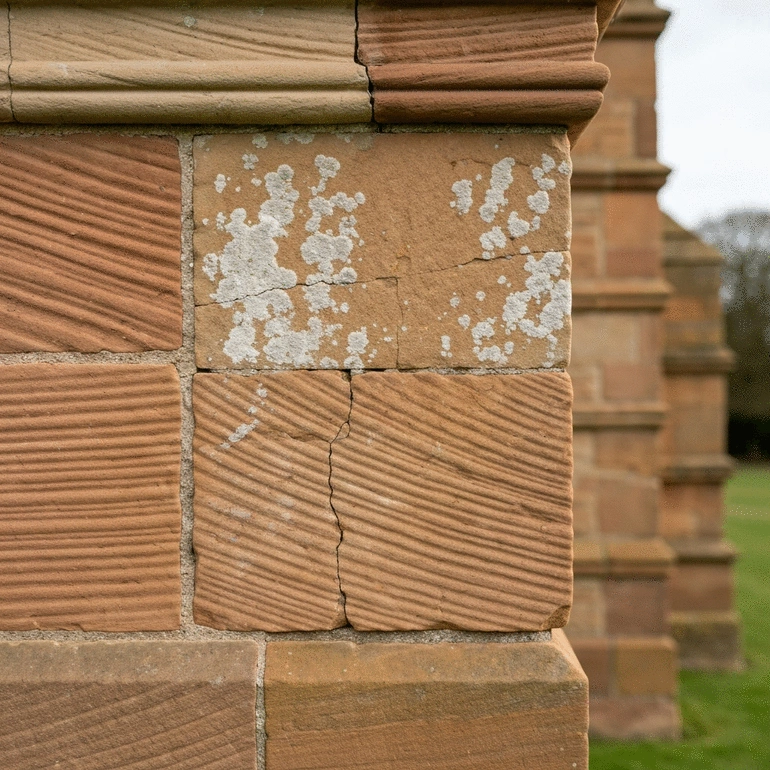
Historic sandstone is prone to several types of deterioration. Recognizing these can help in maintaining the aesthetic and structural integrity of the stone. Here are some common forms:
Each type of deterioration presents unique challenges, and staying informed can help you take the necessary steps to mitigate these issues effectively.
Erosion and weathering can significantly impact the longevity of your sandstone structures. Erosion, driven by natural elements, can strip away protective layers, exposing the stone to further damage. In contrast, weathering can change the stone's texture and color, leading to unsightly appearances. Both processes can compromise the structural support of walls or decorative elements.
It's essential to implement preventive measures and maintenance practices to reduce these effects. As a stonemason, I recommend regular inspections and appropriate treatments to protect your sandstone investments from the elements!
As we've explored the importance of maintaining sandstone structures, we want to hear from you! What do you prioritize most when it comes to preserving your sandstone features?
When it comes to preserving the beauty of your sandstone structures, making informed decisions is crucial. The question often arises: should we repair or replace the damaged stone? This decision can impact both the aesthetic and structural integrity of your building. Let’s explore how to weigh your options effectively, especially when considering different stone cladding types and ideas for replacement sections!
Conducting a thorough cost-benefit analysis can help you determine the best course of action for your sandstone repair. Here are some key factors to consider:
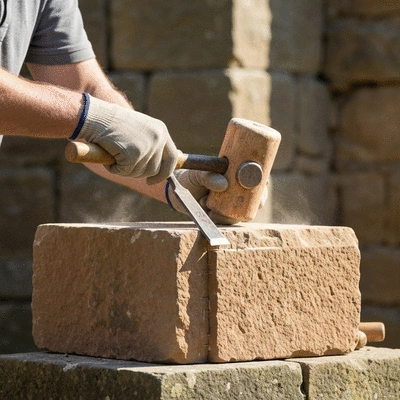
Repairing sandstone can often be a more cost-effective and environmentally friendly solution, particularly when the original materials hold historical value. When I work with clients at Master Stone Mason, we always emphasize the importance of preserving as much of the original stone as possible!
Different methods of repairing sandstone can yield varying results. It’s essential to understand these options to make the right choice for your project. Here are common repair methods:
When considering structural repairs, it’s important to evaluate their long-term benefits. Effective repairs not only restore the appearance of your sandstone but also enhance its durability. Here are a few long-term advantages:
As a seasoned stonemason, I've seen how thoughtful repairs can revive a beautiful structure, ensuring it stands strong against the test of time. At Master Stone Mason, we believe that every stone has a story, and preserving that story is our mission! For those considering new installations or complete overhauls, understanding stone paving installation made simple can also provide valuable context.
A: Sandstone deterioration is primarily caused by environmental factors such as erosion, weathering, cracking due to tension or freeze-thaw cycles, and staining from biological growth or pollution.
A: Promptly addressing sandstone deterioration is crucial because it not only affects the aesthetic appeal of the stone but can also compromise the structural integrity of the entire building. Early intervention can prevent more costly repairs and potential safety hazards.
A: The decision to repair or replace damaged sandstone depends on a cost-benefit analysis. Factors to consider include the cost of repairs versus replacement, the longevity of each option, the historical value of the original stone, and the environmental impact. Repairing is often more cost-effective and sustainable, especially for historically significant pieces.
A: Common repair methods include patch repairs (filling cracks and voids), repointing (renewing mortar joints), stone consolidation (strengthening weakened stones with chemical treatments), and, in cases of severe damage, stone replacement.
A: Quality structural repairs offer several long-term benefits, such as increasing the lifespan of the sandstone, providing cost efficiency compared to frequent replacements, and preserving the unique character and heritage of the building by retaining original stone.
Here is a quick recap of the important points discussed in the article: