Cost Estimates & DIY Value
Natural Stone: $50 - $150 per sq meter
Faux Stone: $30 - $80 per sq meter
Additional Materials: $10 - $30 per sq meter
DIY installation can significantly reduce labor costs and build craftsmanship pride.

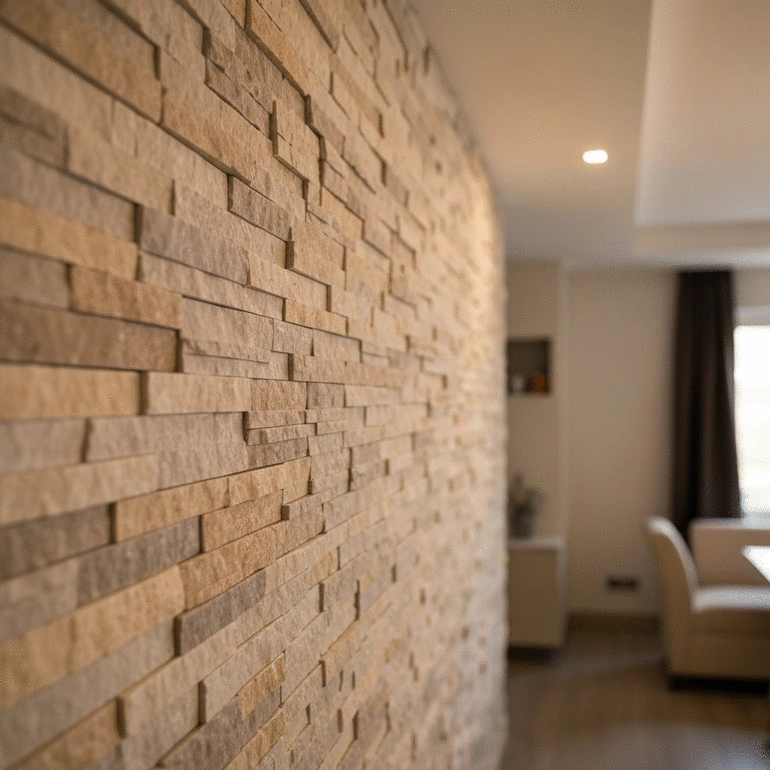
Are you ready to elevate your space with the timeless beauty of stone? Stone cladding not only enhances aesthetics but also offers durability and energy efficiency. Let's explore the key insights that will guide you in your stone cladding project.
Key factors and cost estimates for your stone cladding project, including natural vs. faux stone options and critical climate considerations. For more inspiration and ideas, check out our article on stone cladding types and ideas.
Natural Stone: $50 - $150 per sq meter
Faux Stone: $30 - $80 per sq meter
Additional Materials: $10 - $30 per sq meter
DIY installation can significantly reduce labor costs and build craftsmanship pride.
Natural Stone: Granite, Limestone, Sandstone. Unmatched beauty, authenticity, durability. Higher cost due to sourcing.
Faux Stone: Concrete-based. Mimics natural stone at lower cost. Visual impact; less longevity.
When it comes to enhancing the beauty of your home, stone cladding is a fantastic choice. This technique not only adds stunning aesthetics but also provides durability that stands the test of time. At Master Stone Mason, we believe that stone cladding can create a lasting impression, transforming both interior and exterior spaces into exquisite showcases of natural beauty.
The benefits of stone cladding are numerous. It offers an aesthetic appeal that can complement any architectural style, while also providing robust protection against the elements. Whether you're aiming for a rustic look or a sleek modern design, stone cladding can help you achieve that unique personal touch!
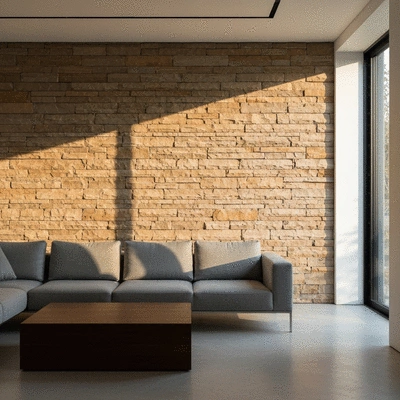
At its core, stone cladding is a construction method where thin layers of stone are adhered to surfaces, creating a beautiful and functional facade. Here are some compelling reasons to consider stone cladding for your walls:
Choosing stone cladding means investing in beauty and durability that can significantly increase your property's value. With over a decade of experience as a stone mason, I can assure you that the right choice of stone will make your home stand out. For those interested in historical applications, explore heritage stone restoration techniques explained.
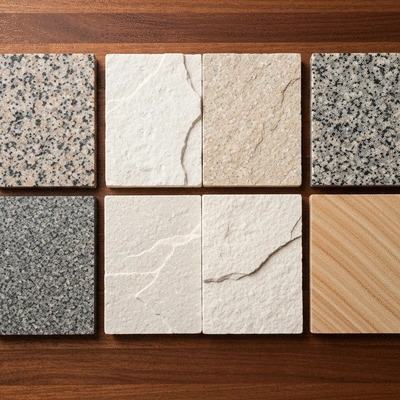
When selecting stone cladding, you have two main options: natural stone and faux stone. Both have their unique characteristics and can be suitable for various projects. Let’s take a closer look:
Deciding between natural and faux stone depends on your budget, project requirements, and personal aesthetic preferences. I often recommend visiting local suppliers to see samples firsthand, as this will give you a better understanding of how each option looks and feels.
Before embarking on your stone cladding project, it’s vital to understand the regulations that govern installation in Australia. Compliance with local building codes is essential to ensure safety and durability. Here are some key considerations:
At Master Stone Mason, we always prioritize compliance, helping our clients navigate these essential regulations. By adhering to Australian standards, you can enjoy peace of mind knowing your stone cladding project is both beautiful and structurally sound.
Embarking on a stone cladding project is exciting, but preparation is key to a successful installation. Knowledge of the essential tools and materials can set you on the right path. Let's dive in!
When selecting your stone for cladding, consider the local climate and your home's style. For instance, coastal homes benefit from stones that resist salt and moisture, while arid regions require materials that can withstand extreme heat. This thoughtful approach ensures that your stone cladding not only looks stunning but also lasts for years to come.
A1: Stone cladding is a construction method where thin layers of natural or faux stone are adhered to surfaces, creating a durable and aesthetically pleasing facade for both interior and exterior walls.
A2: Stone cladding offers several benefits, including enhanced aesthetics, superior durability against weathering, low maintenance requirements, and improved energy efficiency due to its insulating properties.
A3: Natural stone (e.g., granite, limestone) provides unmatched authenticity and durability but is generally more expensive. Faux stone (concrete-based) mimics natural stone's appearance at a lower cost, offering visual impact with less longevity.
A4: Key Australian standards include ensuring walls can support the stone's load, proper installation of expansion joints to prevent cracking, and effective moisture management with drainage and barriers to ensure longevity and compliance.
A5: Local climate significantly influences stone selection. For humid areas, choose mold-resistant stones; for areas with temperature fluctuations, opt for durable stones that can handle thermal expansion; and for high precipitation, ensure good drainage and consider sealing.
When planning a stone cladding project, it's crucial to understand the cost implications. Depending on the type of stone you choose, the price can vary significantly. For example, natural stones like granite or sandstone may range from $50 to $150 per square meter, while faux stone options can be more budget-friendly. For detailed guidance on installation, consider reading our guide on stone paving installation made simple, which shares similar principles.
One of the best decisions you can make is to consider a DIY installation. Not only can it save you on labor costs, but it also allows you to take pride in your craftsmanship. With my experience at Master Stone Mason, I’ve seen firsthand how dedicating your time to learn and execute the installation can lead to stunning results without breaking the bank.
By investing in tools and materials, you can achieve a professional look while adhering to your budget. Remember, quality often reflects in the final outcome, so choose wisely!
To ensure you have access to top-quality materials that meet Australian standards, it's essential to connect with local suppliers. Here are some tips to guide you:
Working with suppliers who understand the specific requirements for Australian climates and regulations will help you secure the best options for your project. It’s all about finding the right partners to help bring your vision to life!
Australia has diverse climates, and considering the weather conditions in your area will greatly impact your stone cladding choices. For instance, if you live in a coastal region, opt for stones resistant to salt and moisture. In contrast, those in arid areas may want to consider stones that can handle extreme heat.
Here are some key climate factors to keep in mind:
By understanding your local climate, you can make informed decisions that will enhance the longevity and performance of your stone cladding installation.
At Master Stone Mason, we love hearing from our community! If you’ve tackled a stone cladding project, why not share your experiences? Whether it’s a tip you found invaluable or a beautiful photo of your finished work, your insights can inspire others on their journey.
Engaging with fellow DIY enthusiasts fosters a sense of community and helps us all learn from each other. Let's create a shared space for knowledge and encouragement!
Are you hungry for more knowledge? I encourage you to check out additional guides and resources available on stone masonry and home improvement topics. From maintenance tips to design inspiration, there’s a wealth of information to support your projects. Perhaps you'll find inspiration in natural stone fireplace trends for 2026.
Remember, every step you take in learning and experimenting with stonework is a step toward mastering the craft. So, dive into those resources and watch your skills flourish!
Here is a quick recap of the important points discussed in the article: