Have you ever considered the true value of your historic building? The materials you choose for restoration can significantly impact its longevity and beauty. Enter lime mortar—a natural solution that respects the original aesthetics while ensuring durability.
This comparison highlights why lime mortar is the superior choice for preserving historic masonry, contrasting its benefits against conventional cement.
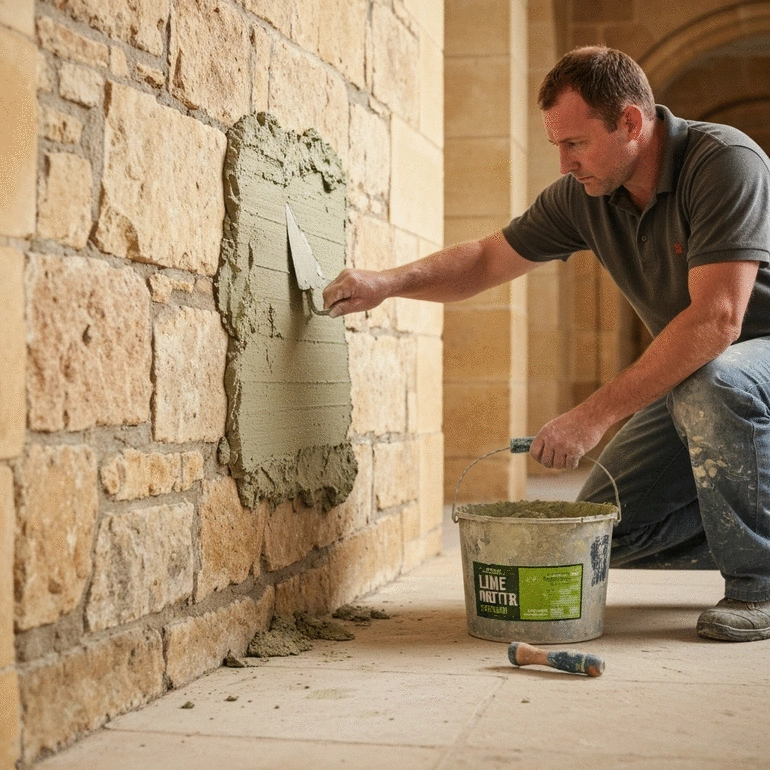
As a seasoned stone mason, I've seen firsthand the profound impact that lime mortar has on heritage masonry restoration. It is more than just a bonding agent; it plays a crucial role in preserving the integrity of historic buildings. Lime mortar's unique properties not only ensure that restoration efforts maintain the original aesthetic but also enhance the longevity of these structures.
When embarking on any restoration project, understanding the materials involved is vital. That's why today, we'll dive into why lime mortar is often the preferred choice in heritage conservation, its breathability, and how it compares to modern alternatives like cement.
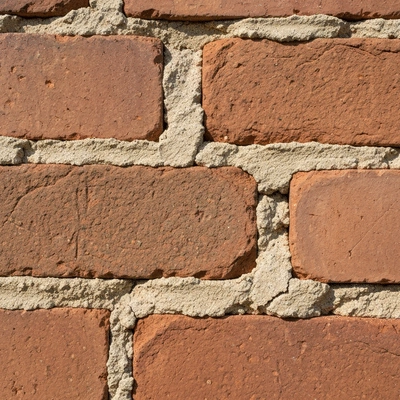
Lime mortar is favored for many reasons, particularly its compatibility with historic materials. Here are a few key reasons: its flexibility allows for slight movement in the structure, which is essential for older buildings that may settle over time. Its breathability helps prevent trapped moisture that can lead to further damage. Additionally, being a natural product, lime mortar blends seamlessly with historic materials, ensuring aesthetic harmony. This combination of flexibility and breathability makes lime mortar indispensable for restoration projects focusing on maintaining the authenticity of heritage buildings. For more in-depth information on preserving historical structures, explore various heritage stone restoration techniques explained.
Breathability is a critical aspect of masonry restoration. Unlike modern cement, which can trap moisture, lime mortar actively regulates moisture levels. This capability is essential for preserving the overall health of a building. Here’s how it works:
Lime mortar’s porous nature allows moisture to evaporate, thus preventing the buildup of dampness within the walls. This is especially important in climates like Australia’s, where fluctuations between wet and dry conditions can stress the structure. By managing moisture effectively, lime mortar helps avoid issues such as mold growth and salt damage.
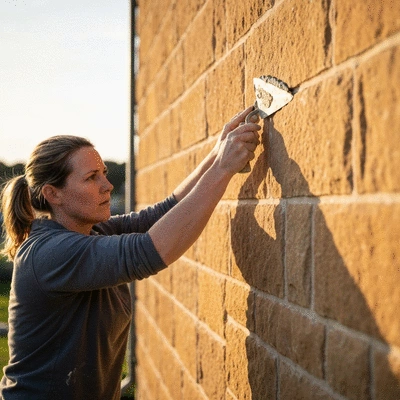
When comparing lime mortar to cement, it’s clear that lime has significant advantages for heritage conservation:
In my work at Master Stone Mason, I always choose lime for heritage projects due to these compelling benefits. For those interested in maintaining the integrity of historical elements, understanding how to identify and address sandstone deterioration early is also crucial.
Lime putty is a fundamental component in creating quality lime mortar. It is made by slaking quicklime and allows for excellent workability and bonding strength. Utilizing lime putty enhances the mortar's performance, making it more suitable for intricate restoration tasks.
In my experience, mixing lime putty with the right sand and pigments can yield a mortar that closely matches the original masonry, which is crucial for maintaining authenticity. If you’re considering a restoration project, I can help you choose the best lime products tailored to your specific needs.
When selecting lime mortar for your restoration project, always prioritize the use of locally sourced materials. This not only supports local artisans but also ensures that the lime mortar is compatible with the regional climate and historical building practices, enhancing the overall effectiveness of your restoration efforts.
A: Lime mortar is a natural binding agent used in construction, especially for historic buildings. It's preferred because of its flexibility, breathability, and compatibility with traditional building materials, which helps preserve the integrity and aesthetics of old structures.
A: Lime mortar is porous, allowing moisture to evaporate from walls. This prevents moisture buildup, which can lead to dampness, mold, and salt damage, thereby extending the life of the masonry.
A: Lime mortar is flexible, breathable, and has self-healing properties, making it ideal for historic buildings that require movement and moisture regulation. Cement mortar is rigid, traps moisture, and does not self-heal, often leading to cracks and damage in older structures.
A: Yes, lime mortar generally has a lower carbon footprint in its production compared to cement, making it a more environmentally sustainable choice for building and restoration projects.
A: Lime putty is a key component for creating high-quality lime mortar. It enhances the mortar's workability and bonding strength, allowing for a better match with original masonry and more effective intricate restoration.
A: Yes, despite a potentially higher initial investment, lime mortar offers enhanced longevity, improved aesthetic value, and environmental benefits that lead to long-term savings by reducing the need for frequent repairs and maintaining the historical authenticity of the structure.
As we conclude our exploration of lime mortar's significance in heritage masonry, it's clear that this material is more than just a binder for stone and brick. Lime mortar plays a vital role in preserving our historical buildings, ensuring that they withstand the test of time while retaining their original beauty. So, is lime mortar worth the investment for heritage restoration? Absolutely! The benefits it offers—compatibility with historic materials, breathability, and environmental sustainability—make it an ideal choice for any restoration project.
When considering the costs and benefits associated with lime mortar, think about its long-term impact. While the initial investment may be slightly higher than modern cement, the durability and aesthetic advantages far outweigh these costs. Here are some compelling reasons why lime mortar is worth every penny:
Each of these factors contributes to the overall success of heritage restoration projects, making lime mortar a smart investment for any homeowner, builder, or architect looking to preserve Australia's architectural history.
Looking ahead, the future of lime mortar in Australian masonry restoration seems bright. With a growing appreciation for sustainability and traditional craftsmanship, more professionals are recognizing the importance of using lime mortar in their projects. As someone deeply passionate about stonework, I believe that this trend will continue to grow, ensuring that our historic buildings receive the care they deserve.
However, the success of using lime mortar hinges on the expertise of skilled artisans. Craftsmanship plays a crucial role in ensuring that restoration work is not only effective but also respectful of the building's historical significance. Engaging experienced professionals, like the team at Master Stone Mason, guarantees that your restoration project will adhere to best practices, ultimately leading to a stunning and durable outcome. For insights into selecting the right materials for your project, consider reading about choosing stone for your fireplace, as the principles of material compatibility and aesthetic integration are similar.
Are you ready to embark on your heritage restoration journey? It's essential to equip yourself with the right knowledge and resources. Whether you're a homeowner or a contractor, taking the first step can lead to transformative results for your property.
To kick-start your project, you'll need quality materials. Here’s a brief list of where to find reputable lime mortar suppliers:
These resources will help you source the best lime mortar to ensure your project’s success.
Consider reaching out to professionals who can guide you through the restoration process. Their expertise will be invaluable in navigating challenges and achieving the best results. Remember, your home deserves the finest care!
Lastly, don't forget about the potential funding options available for heritage restoration projects. Exploring grants and financial assistance can significantly alleviate the costs associated with your restoration efforts. Here are some avenues to consider:
By leveraging these resources, you can bring your vision to life while contributing to the preservation of Australia’s rich architectural heritage.
Here is a quick recap of the important points discussed in the article: