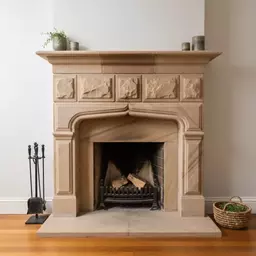
Indoors: Every 1-2 years


Are you ready to elevate the appearance and longevity of your stone cladding? With the right maintenance strategies, you can transform your surfaces and protect your investment effectively.
This visual guide outlines the recommended frequencies for sealing different types of stone cladding and essential seasonal maintenance tasks to ensure longevity and aesthetic appeal. For a deeper dive into the various styles and applications, explore different stone cladding types and ideas.
Indoors: Every 1-2 years
Outdoors: Every 6-12 months (especially rainy climates)
High-Traffic Areas: More frequently
*Sealant lifespan: 1-3 years depending on type & conditions.
Spring: Inspect for winter damage, clean surfaces.
Summer: Check for mold/algae, deep clean if needed.
Fall: Clear debris, consider sealing before winter.
Winter: Monitor for frost, ensure drainage.
Maintaining stone cladding is essential for preserving its beauty and durability. At Master Stone Mason, we understand that different types of stone require specific care to remain stunning over the years. Whether you're working with marble, granite, limestone, or travertine, each material has its unique maintenance needs that we’re excited to share with you!
It's important to know the various types of stone cladding and their characteristics. Here’s a quick overview:

Understanding these differences can significantly influence your maintenance routine. For example, marble can easily stain if not properly sealed, while granite is more resistant but still benefits from protective care.
Cleaning your stone cladding is crucial for its upkeep. Here are some effective methods to consider:
One of the best ways to clean stone surfaces is by using pH-neutral cleaners. These solutions are gentle enough to preserve the stone’s integrity while effectively removing dirt and grime. Avoid acidic or harsh cleaners, as they can damage the surface over time. For more detailed information on maintaining different stone types, see our guide on heritage stone restoration techniques explained.
Pressure washing can be an effective cleaning method, but it requires careful handling. Always use a low-pressure setting to avoid damaging the stone. Aim the nozzle at a 45-degree angle, and keep a safe distance to ensure even cleaning without wear. Regular maintenance using this method can keep your stone surfaces looking fresh.
Sometimes, deep cleaning is necessary to tackle stubborn stains. Here’s a simple step-by-step process:
It’s essential to address mold and mildew promptly. If you find these issues, use specialized cleaners designed for stone surfaces to restore their natural beauty.
Sealing is a crucial aspect of stone maintenance. By applying the right sealants, you can extend the life of your cladding. Here’s what you need to know:
Choosing the right sealant depends on the stone type and its porosity. For example, granite typically requires a different sealant than limestone. On average, most sealants last between 1 to 3 years, depending on environmental conditions and usage.
Water-repellent sealants are beneficial for enhancing stone durability. They prevent water penetration, which can lead to damage or staining. Applying these sealants regularly can help your stone withstand harsh weather conditions.
Sealing frequency varies based on the stone type and location. Here are some guidelines:

By following these sealing practices, you can ensure your stone cladding remains protected and beautiful for years to come!
Preventive measures can significantly enhance the durability of your stone cladding. Simple strategies can go a long way in extending the life of your investment. Here are key recommendations:
When selecting sealers, look for breathable options that allow moisture to escape. This is particularly important for outdoor stone cladding. Additionally, sealers with UV protection can prevent color fading due to sun exposure, keeping your stone vibrant.
Utilizing protective mats in high-traffic areas can reduce wear and tear. Regular maintenance checks—and cleaning—are vital to catch any early signs of damage. This proactive approach can save you time and money in the long run.
Even with preventive measures, issues can arise with stone cladding. Here’s how to address some common concerns effectively:
To prevent mold and mildew, ensure proper drainage and ventilation around your stone surfaces. Use specific mold removers designed for stone to treat affected areas promptly.
For effective mildew removal, try a mixture of equal parts vinegar and water. Spray it on the affected area, let it sit for a few minutes, and scrub gently. Rinse thoroughly to prevent residue.
I often recommend homeowners assess their comfort level before tackling repairs. For minor issues, such as cleaning or sealing, DIY methods can be effective. However, for extensive damage or restoration, it’s best to consult a professional like Master Stone Mason. For tips on identifying issues, read about spotting sandstone deterioration early.
Finally, don’t forget about restoration! Techniques such as resurfacing, polishing, and re-sealing can rejuvenate older stone cladding, bringing back its original charm.
Did you know? Regularly inspecting your stone cladding for early signs of wear can save you time and money in the long run. Look for small cracks or stains, and address them promptly to prevent more extensive damage.
Here are some common questions regarding the care and upkeep of stone cladding:
When it comes to maintaining stone cladding, a few essential tips can make all the difference in ensuring its longevity and beauty. Regular cleaning and sealing are vital components that safeguard your investment. Always remember to choose pH-neutral cleaners for gentle yet effective cleaning, and schedule regular sealing based on your stone type and its specific needs. You might also want to consider stone paving installation made simple for complementary outdoor areas.
Additionally, being proactive with maintenance can help prevent issues like mold and stains from becoming a headache. Establishing a routine that includes periodic inspections and protective measures can go a long way in preserving the elegance of your stone cladding.
We’d love to hear about your experiences with stone cladding maintenance! Have you implemented any of the strategies we discussed? Perhaps you’ve faced challenges that you overcame? Your insights are invaluable to others in the community. To engage further, consider participating in our user poll below, where you can share how often you seal your stone cladding:
Let’s learn from one another and enhance our stone care practices together!
If you're looking for more in-depth knowledge, we've compiled a collection of resources just for you. Here are some internal articles that can guide you on related topics:
These articles will provide additional insights and practical tips to enhance your stone cladding care routine.
Seasonal maintenance is crucial for keeping your stone cladding in top shape. I recommend scheduling specific tasks throughout the year to address the unique challenges each season brings. Here’s a handy checklist to keep in mind:
By aligning your maintenance tasks with the seasons, you’ll greatly enhance the durability and aesthetic of your stone cladding. Together, let’s keep our stonework looking beautiful for years to come!
Here is a quick recap of the important points discussed in the article: