Best Practices in Sandstone Restoration
- Thorough Assessment: Comprehensive evaluation before decisions.
- Quality Materials: Use of high-quality, locally sourced materials.
- Expert Collaboration: Working with specialists for integrity.


What if the structures that define our history could talk? They would share tales of craftsmanship, resilience, and community pride, woven into the very fabric of their stone. Sandstone restoration is not just a process; it's a commitment to preserving our shared heritage for future generations.
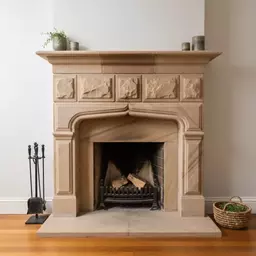
This visual summarizes key considerations for sandstone restoration projects, focusing on best practices, cost implications, and community engagement. For a deeper dive into the specifics of preserving these invaluable structures, explore our detailed guide on heritage stone restoration techniques explained.
When we think about Australia's architectural heritage, the role of sandstone is undeniable. In our stunning landscapes, sandstone has been a cornerstone of numerous historical buildings, especially in heritage sites. These structures tell our stories, showcasing the craftsmanship of generations past, and it’s vital we maintain their beauty for future generations.
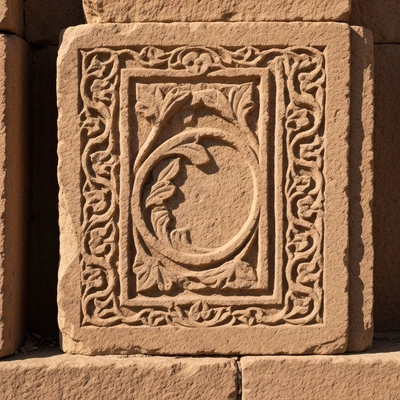
Especially here at Master Stone Mason, we recognize that preserving these landmarks isn't just about aesthetics—it's about honoring our cultural legacy. Sandstone's unique properties make it both beautiful and resilient, but it requires careful restoration to ensure it stands the test of time.
Sandstone plays a crucial role in our architectural identity. It's not just a material; it's a part of our history and culture. Many of Australia's most iconic structures, including churches, government buildings, and bridges, feature sandstone prominently.
By restoring sandstone, we not only enhance the visual appeal but also ensure the longevity of these historical sites. It's a commitment to our heritage and a gift to future generations. For guidance on identifying potential issues, consider learning about spotting sandstone deterioration early.
In this article, we will explore some of the most noteworthy sandstone restoration projects across Australia. Each project exemplifies effective restoration techniques, showcasing what can be achieved with dedication and skill.
These projects not only restore beauty but also serve as a blueprint for future endeavors in sandstone preservation. At Master Stone Mason, we believe that understanding these case studies will inspire all stakeholders—homeowners, builders, and architects—to appreciate and invest in sandstone restoration.
Conserving sandstone is an art and a science. Various techniques are employed to ensure that these historic structures remain intact for generations to come. It's essential to apply the right methods tailored to the specific needs of each project.
These techniques are vital in maintaining the structural integrity and visual appeal of sandstone features. By utilizing these methods, we at Master Stone Mason aim to uphold our commitment to quality and sustainability in all our restoration projects.
Did you know? Regular maintenance of sandstone structures, including gentle cleaning and sealing, can significantly prolong their lifespan and preserve their beauty. Investing in these small upkeep tasks today can save you from larger restoration costs in the future!
As we delve into the realm of sandstone restoration, it's evident that the insights gathered from notable projects can shape our approach to future endeavors. The case studies we've explored reveal a treasure trove of best practices and lessons learned that can significantly enhance the outcomes of restoration efforts. Let’s take a closer look at these key insights.
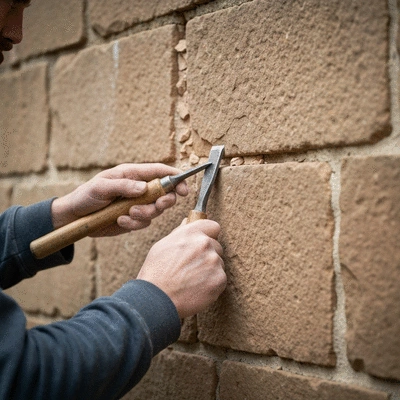
In reviewing the sandstone restoration projects, several common themes emerge that underscore successful strategies. Here are some best practices I've noted:
These practices not only enhance the quality of the work but also contribute to the long-term sustainability of the structures. Adopting such strategies can significantly impact the success of upcoming projects.
When contemplating sandstone restoration, it's crucial to analyze the costs involved. Restoration can be an investment, and understanding the return on investment (ROI) is essential. Key considerations include:
While the initial expenditure might seem daunting, the benefits in terms of preservation and value appreciation make sandstone restoration a worthwhile endeavor.
Community engagement plays a vital role in the success of restoration projects. It’s about creating a shared sense of ownership and pride in local heritage. Here’s how community involvement can enhance these initiatives:
At Master Stone Mason, we believe that fostering community relationships is not just beneficial but essential. It cultivates a deeper appreciation for our shared history and the enduring beauty of sandstone architecture.
When embarking on a sandstone restoration project, partnering with experts is crucial. Companies like Gosford Quarries offer unmatched experience and knowledge in sourcing the best materials and employing effective restoration techniques. Their expertise ensures that projects are handled with care, respecting the heritage and structural integrity of the buildings.
For those looking to initiate their own sandstone restoration projects, various funding sources are available. Here are some options worth exploring:
Understanding these funding avenues can empower homeowners and organizations to pursue restoration projects that preserve our architectural heritage. For those interested in enhancing their home's aesthetic with natural stone, you might also find value in exploring various stone cladding types and ideas.
Now that we've explored the critical aspects of sandstone restoration, I encourage you to consider how you might incorporate these insights into your own projects. Whether you’re a homeowner, builder, or designer, the potential of sandstone restoration is immense! If you’re ready to take the next step, feel free to reach out to us at Master Stone Mason for consultations or inquiries. Let’s collaborate to create lasting beauty through the art of stonework! Additionally, for more information on specific materials used in preserving historical structures, you can read about lime mortar's role in restoration.
Here is a quick recap of the important points discussed in the article:
The primary goal of sandstone restoration is to preserve our shared cultural heritage, maintain the aesthetic appeal, and ensure the structural longevity of historical sandstone buildings for future generations.
Key conservation techniques include gentle cleaning methods (avoiding high-pressure washing), repairing cracks and damaged sections with compatible materials, and applying breathable sealants to protect against moisture while allowing the stone to 'breathe'.
Community engagement is vital for fostering a shared sense of ownership and pride in local heritage. It helps generate support through awareness campaigns, provides involvement opportunities, and ensures restoration efforts align with public sentiment and expectations.
Initial costs vary by project scale, materials, and labor. However, proper restoration offers long-term savings by preventing further deterioration and significantly enhances property market value, making it a sound investment.
Funding can be sourced from government grants for heritage conservation, financial assistance from nonprofit organizations focused on preserving historical sites, and crowdfunding platforms to rally community support and raise necessary funds.